
Why Xi’an for a China Study Tour
Planning a short China study tour for school, university or adult groups? The first decision is which city to base it in. All of our itineraries are based in one city, Xi’an, and this page explains why: the history is part of the city itself, Xi’an is a university city, and staying in one place leaves more of a short trip for learning.
Three Reasons to Choose Xi’an
History You Can Visit
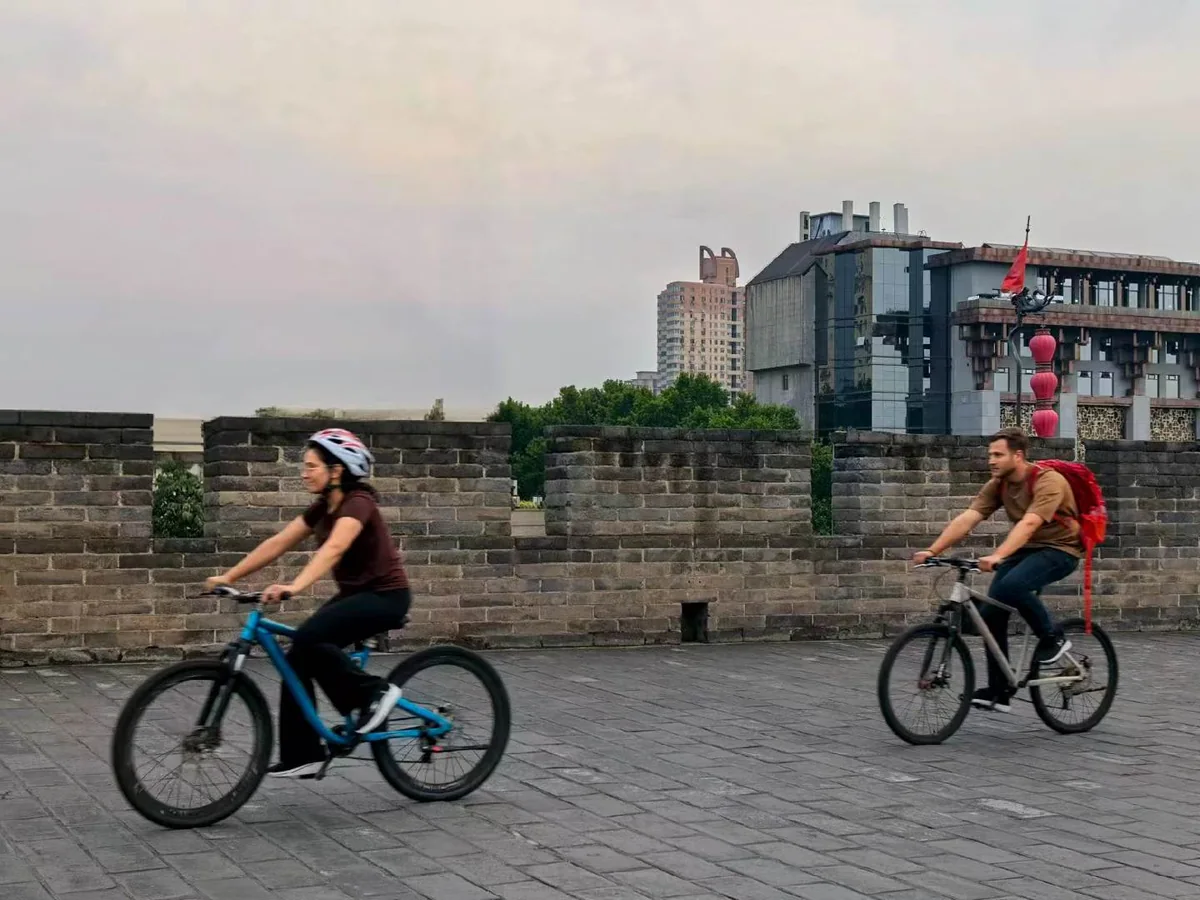
Xi’an, known in ancient times as Chang’an, served as the capital of thirteen dynasties, among them the Zhou, Qin, Han and Tang. In and around the city you will find UNESCO World Heritage sites such as the Terracotta Army and the Giant Wild Goose Pagoda, alongside the Ming-dynasty city wall you can cycle round.
For students, these are places to walk through and ask questions about, not pictures in a textbook. All three are described further down this page, along with a modern Tang-themed street at the foot of the pagoda.
A University City
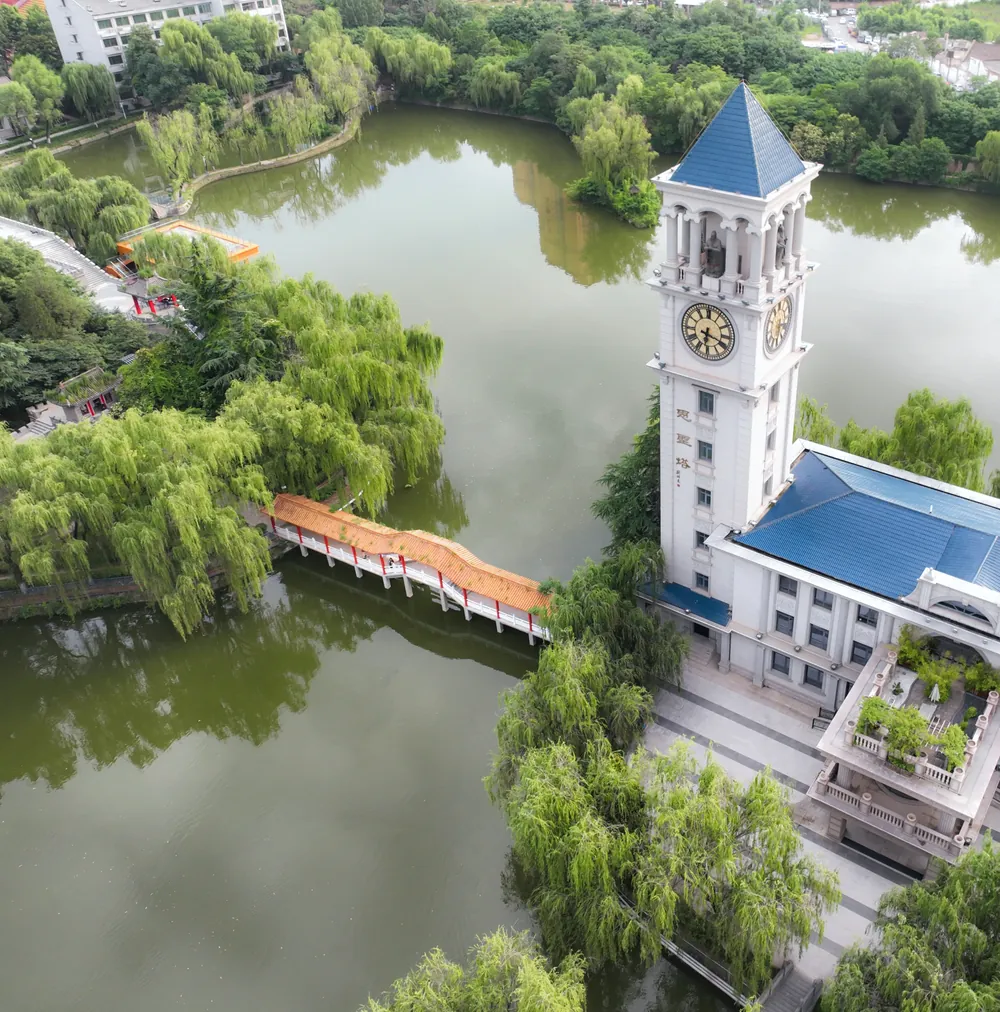
Xi’an is also a university city. Our programs are hosted by Xi’an International University (XAIU), founded in Xi’an in 1992. Classes, lectures and cultural workshops take place on the XAIU campus, where participants also stay.
Between site visits, groups come back to campus for classes and workshops, chosen from Chinese language, guqin, tea art, calligraphy, Chinese painting, and tai chi and martial arts, depending on the itinerary.
One City, No Long Transfers
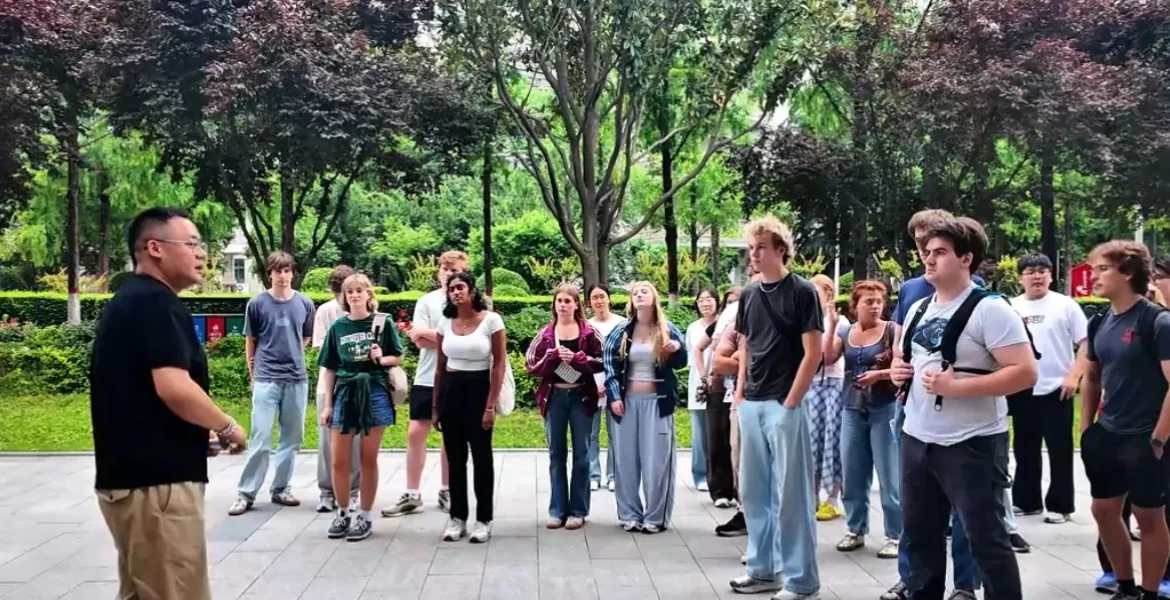
We have a wide range of itineraries from 3 to 14 days, all based in Xi’an, and we are able to design bespoke trips for your group. Groups check in once on campus, and travel out to the historic sites from there. No day of the program is lost to a train or a flight to the next city.
One City or Several?
A multi-city tour, for example one combining Beijing, Xi’an and Shanghai, gives students a wide first look at China. On a program of one or two weeks, though, a good share of that time goes on stations, airports and checking in and out of hotels.
A one-city tour makes the opposite trade-off: fewer places, seen in more depth. If your priority is for students to see as many famous sights as possible, a multi-city tour may suit you better. If you want classes, hands-on workshops and time to reflect between visits, one city works well, and Xi’an has enough history to fill a program of up to two weeks.
Four Landmarks in Xi’an
These landmarks feature in our itineraries; which ones you visit depends on the program.
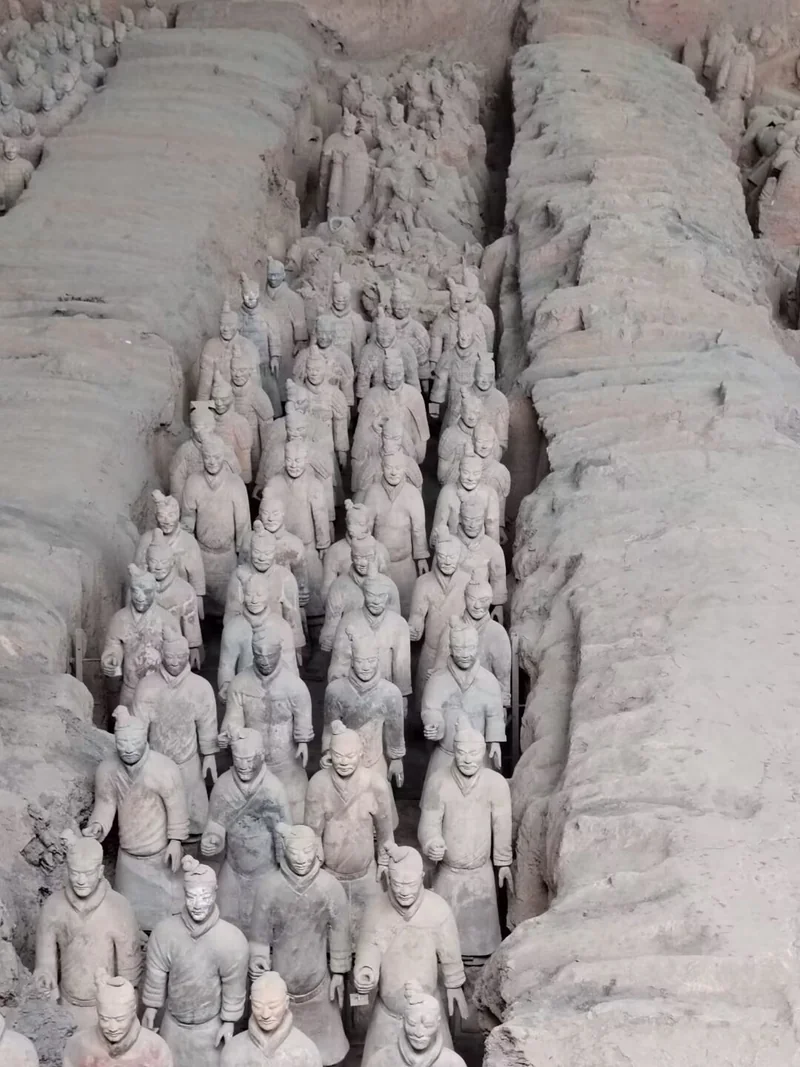
Terracotta Army
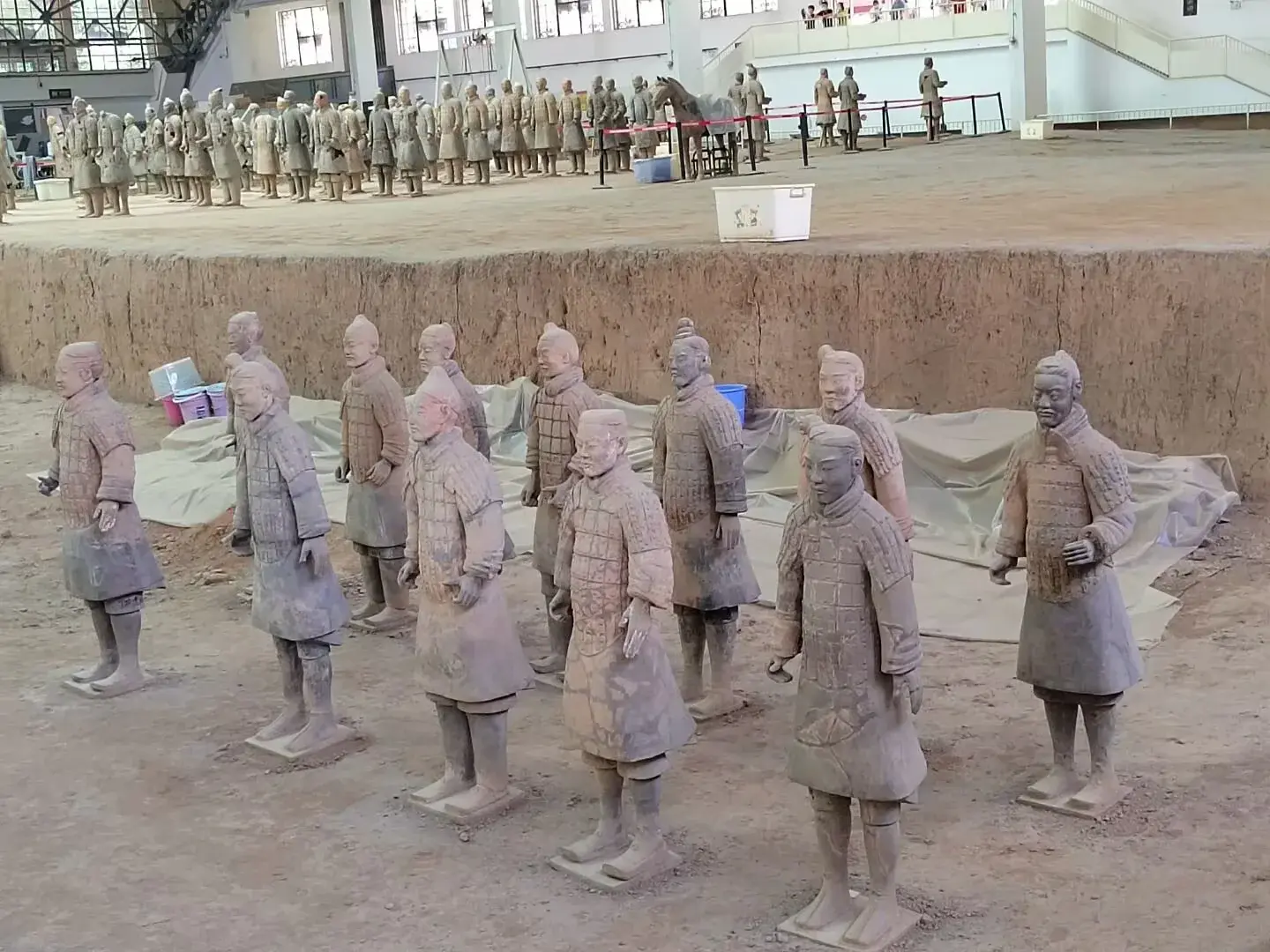
The Terracotta Army stands in pits near the tomb of the First Qin Emperor, who died in 210 BC. Large numbers of pottery warriors and horses were buried around the tomb. The site was discovered in 1974, and the pits are part of the Mausoleum of the First Qin Emperor, inscribed on UNESCO’s World Heritage List in 1987.
For students, the site raises good questions: how Qin-dynasty craftsmen made the figures, how the site was found and excavated, and how people and goods moved along ancient routes such as the Silk Road. Some of our itineraries pair the visit with a talk on Qin craftsmanship and ancient trade routes.
The Terracotta Army is part of seven of our eight itineraries, and is an optional visit on the 14-Day Chinese Language & Culture Camp.
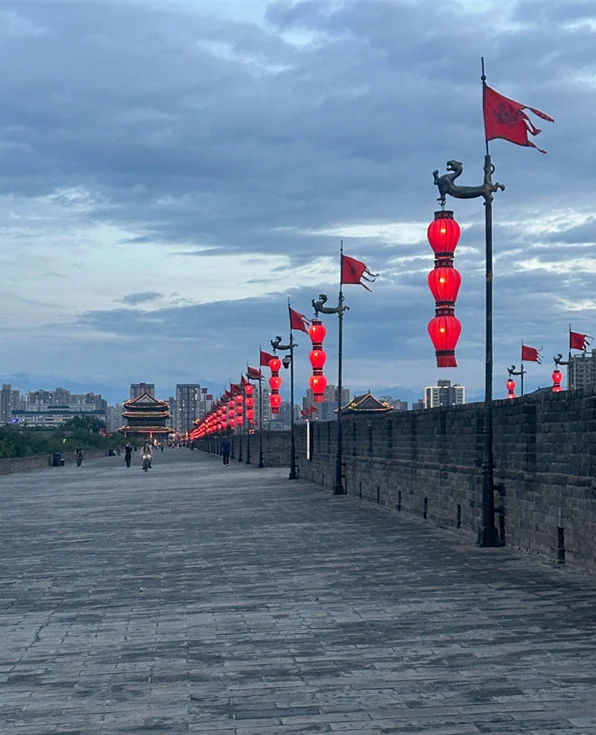
Xi’an City Wall
The Ming-dynasty city wall, completed in 1378, runs 13.74 kilometers round and stands 18 meters high, and the top is 12 to 14 meters wide. Visitors can cycle along the top of the wall. The Shaanxi provincial government describes it as “the biggest ancient city wall that has been preserved the most intact in China”.
On a bike, students get a feel for the scale of the old city, and the wall itself is a lesson in Ming-dynasty defensive engineering. The ride is on top of the wall and optional. Some of our itineraries include a talk on how ancient Chang’an was planned and the ideas of order behind its layout.
The wall is part of seven of our eight itineraries, and is an optional visit on the 14-Day Chinese Language & Culture Camp. On four of them the day includes a cycle ride through the old city; on the 3-Day and 5-Day Chinese Culture Camps, groups go by bike or on foot.
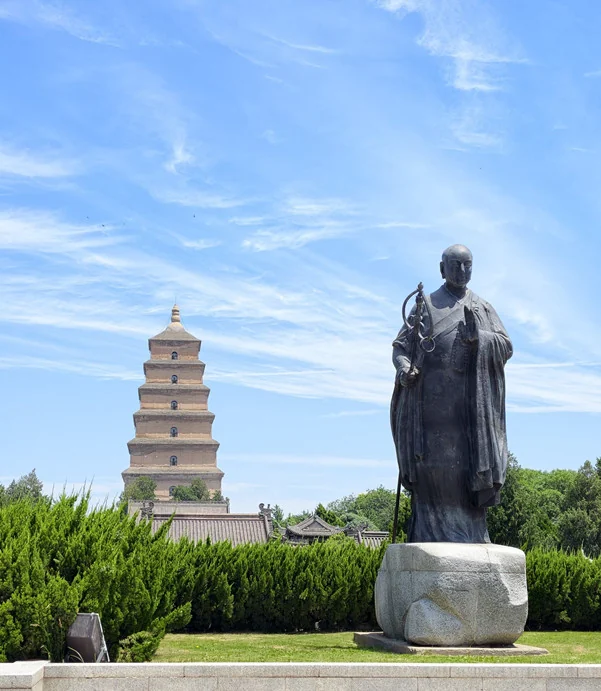
Giant Wild Goose Pagoda
The Giant Wild Goose Pagoda was completed in 652, in the grounds of a Buddhist temple, to house the Buddhist scriptures that the monk Xuanzang had brought back from India. It stands about 64.5 meters high, with seven stories. In 2014 it was inscribed on UNESCO’s World Heritage List as part of the “Silk Roads: the Routes Network of Chang’an-Tianshan Corridor”.
Xuanzang’s journey makes the pagoda a natural place to talk about Buddhism and exchange along the Silk Road, and the building is a clear example of Tang-dynasty brick architecture.
The pagoda is part of six of our eight itineraries, and is an optional visit on the 14-Day Chinese Language & Culture Camp. On five of them the visit includes the temple around it.
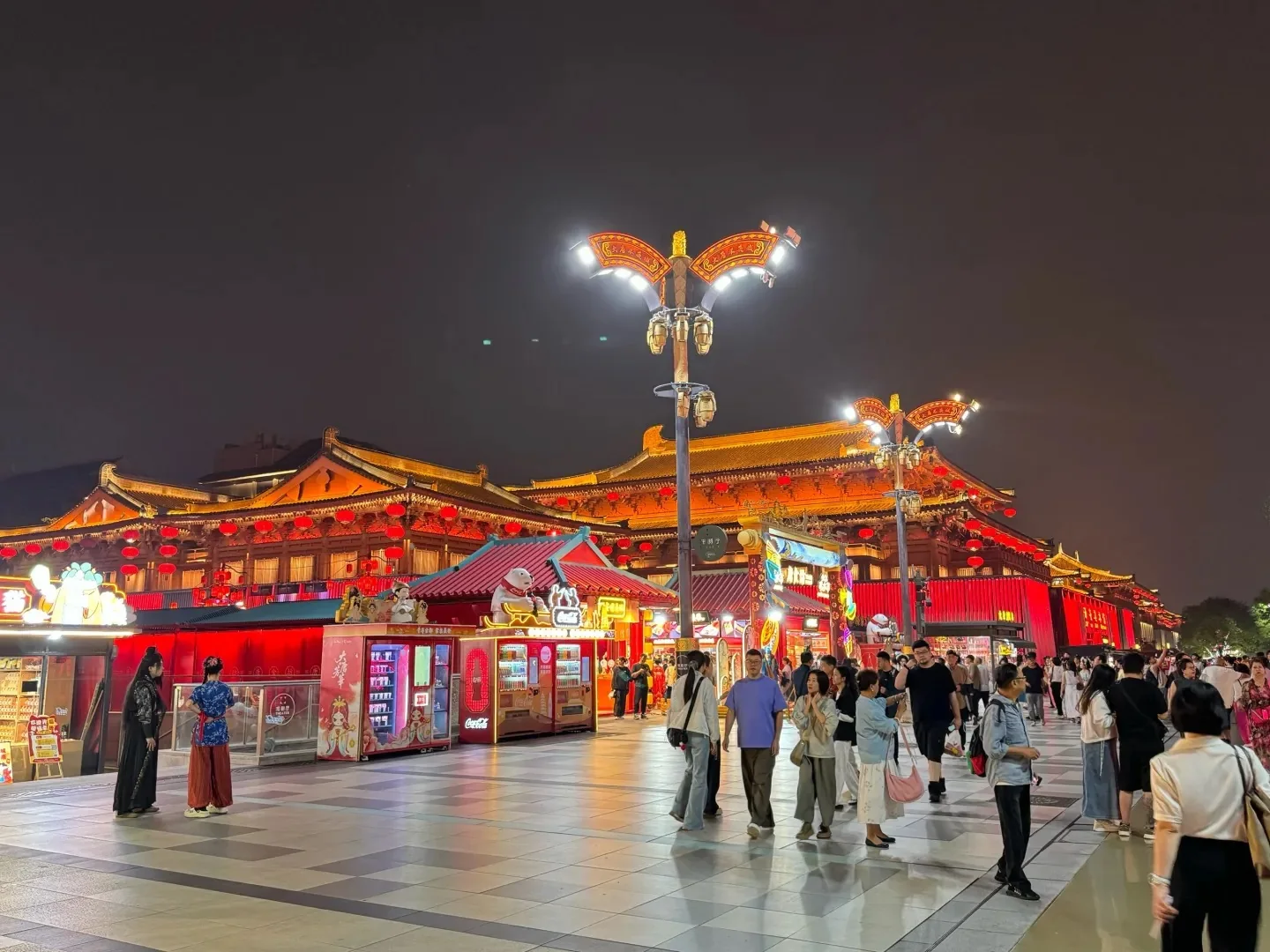
Grand Tang Dynasty Ever Bright City
Unlike the three sites above, the Grand Tang Dynasty Ever Bright City is a modern pedestrian street, first opened in 2009, at the foot of the Giant Wild Goose Pagoda. The whole street is themed around Tang culture, with sightseeing, cultural performances, restaurants and shops along its length, and in 2020 the Ministry of Commerce named it one of China’s first national model pedestrian streets.
For students, it is a way to compare old and new side by side: the pagoda was completed in the Tang dynasty, and the street beside it shows how Xi’an presents Tang culture today. Groups on business themes can also see how culture, tourism and retail combine in one public space.
The Grand Tang Dynasty Ever Bright City is part of six of our eight itineraries, always on the same day as the Giant Wild Goose Pagoda, and is an optional visit on the 14-Day Chinese Language & Culture Camp.
Plan Your China Study Tour in Xi’an
Tell us about your group, the length of program you have in mind and what you would like students to learn, and we will put together an itinerary and a quotation.
Planning for a school group? See how our school trips to China work.